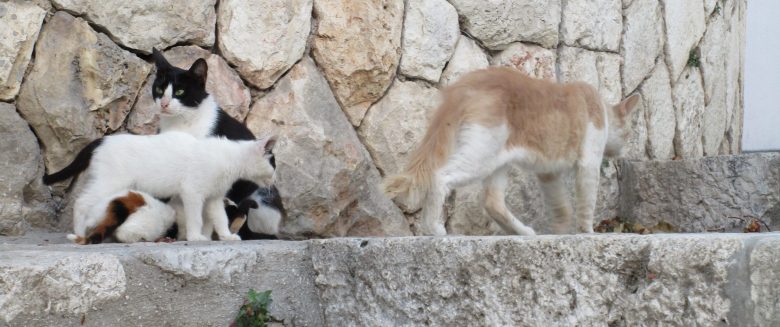
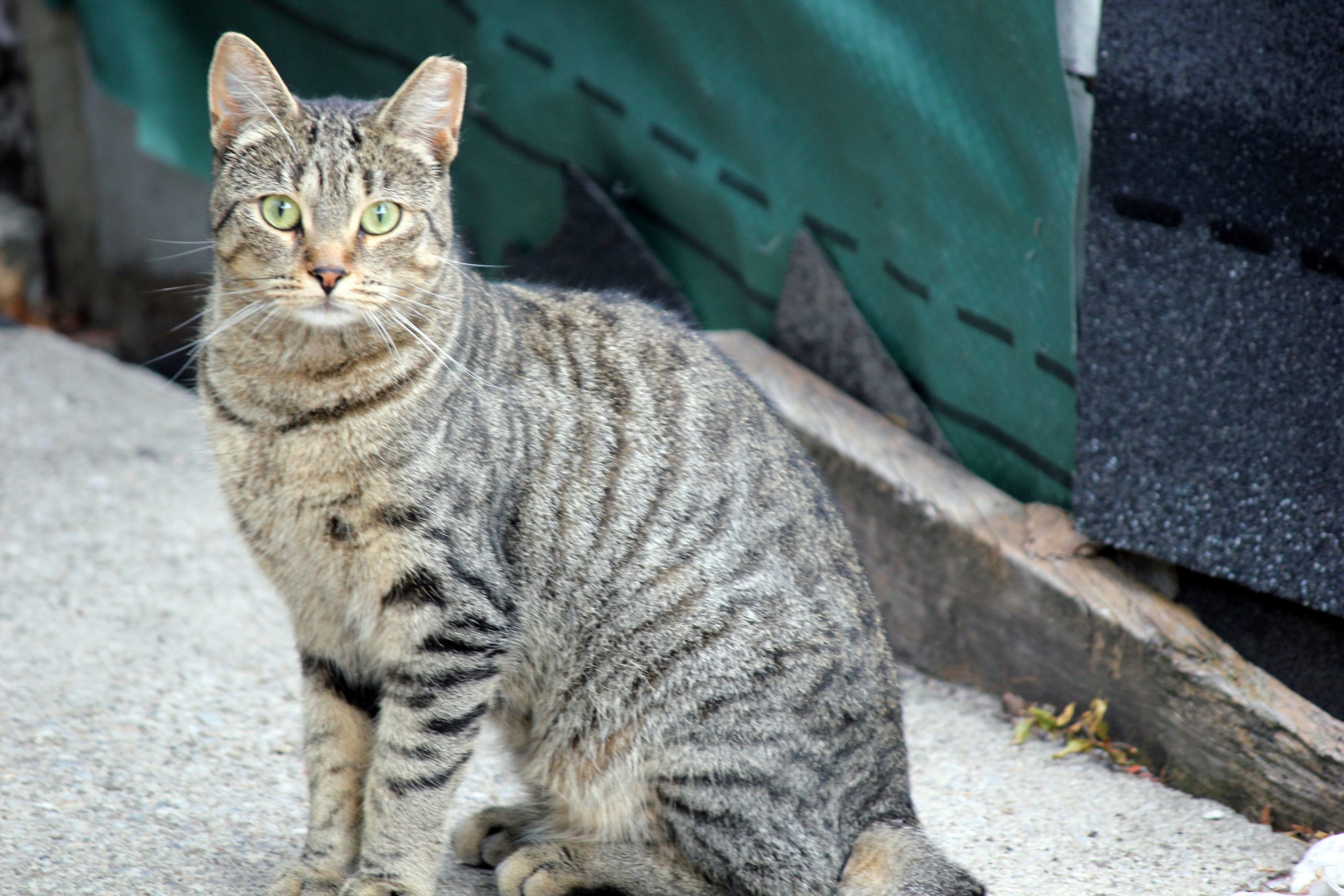
TNR stands for Trap, Neuter, Return/Release. It is the most humane way to decrease the feral cat population. Feral cats are humanely trapped and brought to the vet to be neutered/spayed and typically (but not always) vaccinated. Once they recover, they are released to the location they were trapped. Kittens who are friendly and socialized are brought to animal shelters.
Vocabulary
Feral cat: A cat that is not domesticated, lives outside, and has little to no human interaction. It is fearful of humans and can not live in a house.
Stray Cat: A cat that was previously owned or is suit to live in a home, but is homeless. Stray cats should be brought to an animal shelter and adopted.
Ear Tip: When the feral cat is spayed and neutered, the tip of its ear is cut of to signify it has been undergone the surgery.
Spay: A surgical process that a female cat is made sterile. It can be referred to neutering as well.
Neuter: A surgical process that makes a male cat sterile
Why TNR?
TNR is a humane way to decrease a feral cat population. It stops the cats from breeding so there are no future generations. It is more humane and more efficient than the practice of
Capturing and Killing– A process still done by some animal control agencies today. It is futile and the feral cat population still exists. Innocent cats are killed. It is NOT humane.
Adoption– Feral cats can not live in human houses and can not be domesticated. These cats will be in pain living in a cage in the shelter and most likely spend the rest of their life there because feral cats are not pets so they will not be adopted.
Relocation– If a cat is brought to a different place than it was originally, it would be highly stressed and suffer.
We use cookies to ensure that we give you the best experience on our website. If you continue to use this site we will assume that you are happy with it.